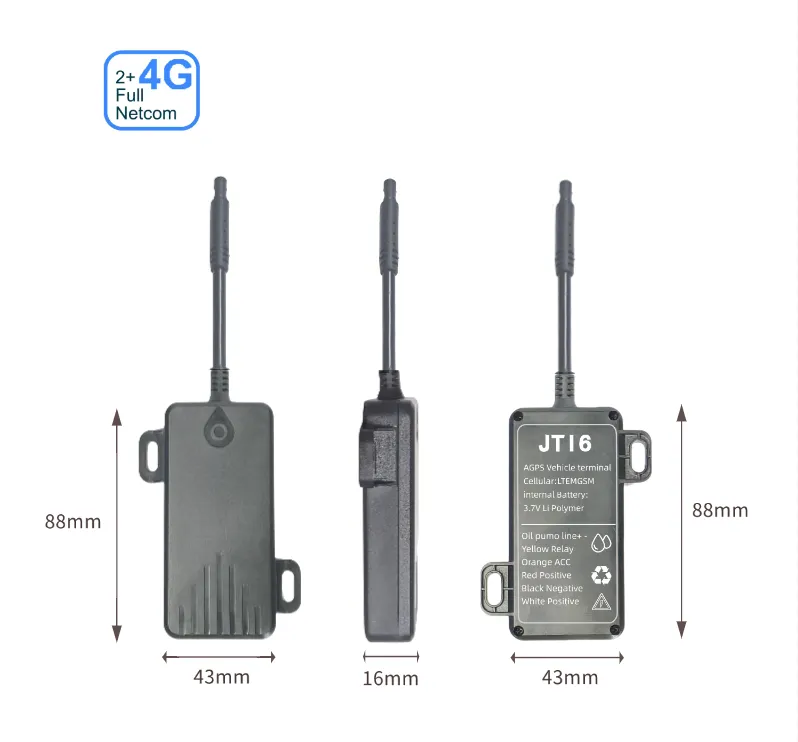
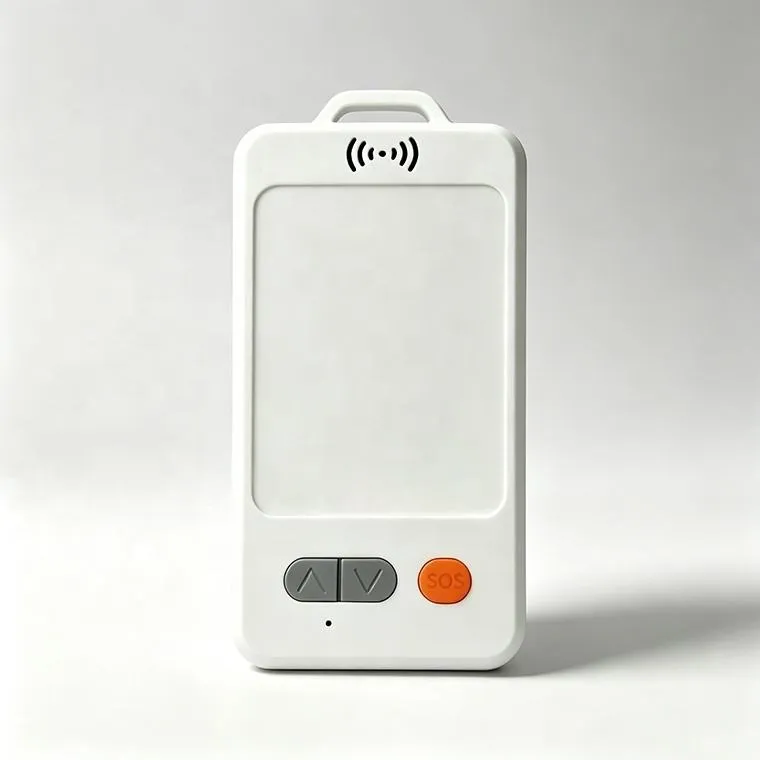
A pet can move beyond its owner’s view in seconds. An open gate, an unfamiliar walking route or an unexpected distraction can quickly turn an ordinary outing into a search.
A Jinshengchang pet GPS tracker gives owners access to reported location information through a connected application. It helps them check where a pet was last located, review outdoor movements and receive configured alerts.
The product can also be developed as an OEM/ODM solution for pet brands and distributors that need coordinated hardware, firmware and software.
Outdoor Location Tracking
The tracker uses its configured GPS or GNSS receiver to obtain outdoor coordinates. A compatible communication connection delivers those records to the tracking platform.
Positioning and communication perform different jobs: the receiver calculates a location, while the communication module sends it to the application.
A valid satellite position may therefore be unavailable indoors, and an outdoor position may not reach the app immediately if communication coverage is poor.
The application should show when the location was acquired so owners can assess how current it is.
Safe-Zone Notifications
Users can configure a virtual boundary around a home, garden or other designated area.
When suitable reported positions indicate a crossing, the system can generate an entry or exit notification. Boundary buffers and confirmation rules can help reduce repeated alerts caused by position variation near the edge.
A safe zone is a location-monitoring feature. This product description does not include electrical stimulation or animal-containment functions.
Tracking Modes That Match the Situation
Normal daily monitoring and an active pet search have different requirements.
A routine mode can use scheduled updates to reduce energy consumption. A supported search mode can temporarily increase update frequency to provide more frequent observations.
Higher-frequency operation normally consumes more energy. The final reporting strategy should be tested with the selected battery, antenna and communication network.
For devices that sleep between reports, a remote tracking request may take time to reach the tracker. Command behavior should be confirmed during product testing.
Collar Fit and Wearability
A pet tracker needs to fit the animal as well as the application.
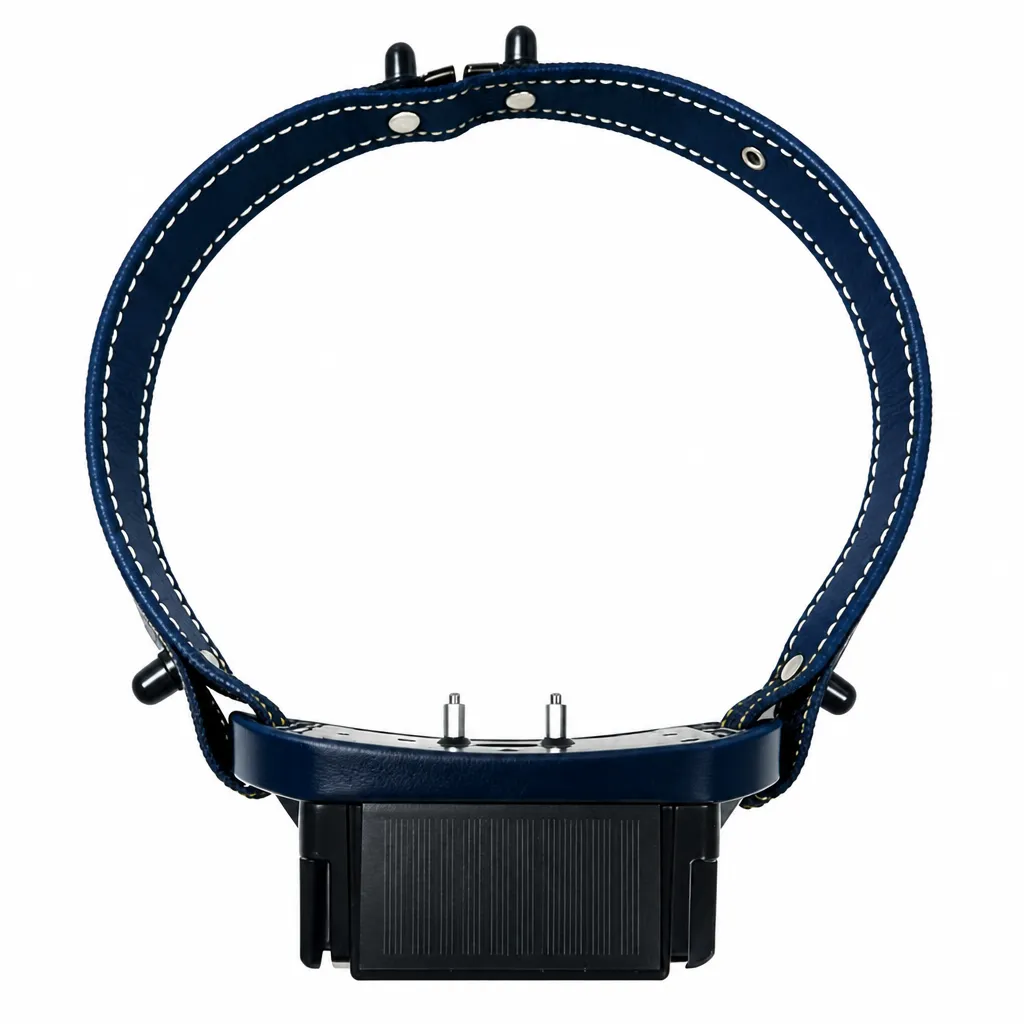
Device weight, enclosure shape, attachment strength and collar compatibility should be assessed together. A design suitable for a large dog may be unsuitable for a small cat.
Jinshengchang can discuss attachment structures and enclosure designs for the intended pet category. Fit and retention should be evaluated through supervised wear trials.
Optional Activity Information
A motion sensor can support activity summaries when included in the selected hardware and firmware.
These records may help owners compare movement patterns over time. Activity classification depends on the sensor, attachment position and validated processing method.
Activity data should be presented as a wellness reference rather than a medical diagnosis. Specific claims such as sleep detection or calorie estimation require separate validation.
Charging and Outdoor Durability
Rechargeable operation supports repeated daily use, while supported low-battery alerts help owners plan charging.
Actual operating time depends on location frequency, satellite acquisition time, network conditions, enabled features and battery capacity.
The final enclosure’s protection rating should be confirmed for the intended use. Rain exposure, swimming and prolonged immersion are different conditions and should not be treated as equivalent.
Mobile Application and Platform Options
A connected pet tracking solution can include:
- Latest reported location and position time.
- Recorded route history.
- Safe-zone configuration and event notifications.
- Battery and device-status information.
- Supported remote commands.
- Authorized account sharing.
- Device binding and ownership-transfer controls.
Functions, data retention and service charges should be defined for the selected product package.
Optional Bluetooth connectivity can support nearby interaction where implemented. It should be described separately from long-distance tracking through a cellular or other wide-area network.
OEM and ODM Pet Tracker Development
Shenzhen Jinshengchang Technology Co., Ltd. provides GPS and IoT product development for customized tracking projects.
Development requirements can include a custom PCB, positioning module, regional cellular bands, battery, charging system, antenna, enclosure, collar attachment and firmware.
Software work can include branded applications, interface languages, tracking modes, notification rules, API integration and platform deployment.
For a new project, provide the destination countries, intended pet sizes, target device weight, required update frequency, expected operating time and planned order quantity. These requirements help define a practical product configuration and pilot-testing plan.
Overview
Jinshengchang’s pet GPS tracker helps owners check their pet’s reported location, review outdoor routes and receive configured safe-zone alerts. Designed for compatible collar attachment, the solution combines satellite positioning, wireless communication and mobile access. Hardware, battery capacity, reporting schedules, enclosure design and app functions can be customized for pet brands, distributors and OEM/ODM projects. Suitability for dogs or cats depends on the selected device’s size, weight and attachment method.
Before a walk, the owner checks the tracker’s battery and attachment. During outdoor activity, the device obtains positions and sends data according to its configured reporting schedule. The application displays the latest reported location together with the position time. Where supported, the owner can request a temporary higher-frequency tracking mode when searching for a missing pet. If the pet crosses a configured safe-zone boundary, the system evaluates the available location data and generates an alert according to its confirmation rules. When the pet returns, the owner can review the recorded route and restore the normal power-saving schedule. Available functions and response times depend on the device, software, positioning conditions and network service.
GPS positioning does not transmit a location by itself. Cellular, LoRaWAN or satellite connectivity must be selected for the operating environment.
What to evaluate
- Check local coverage, supported bands and reporting frequency before choosing a device.
- Confirm battery life under real conditions. Signal strength, reporting interval and temperature affect performance.
- Confirm mounting, fit, enclosure protection and maintenance with the final hardware specification.
- Confirm platform access, data ownership, integration protocol and recurring costs.
Technical checklist
| Product Type | Wearable pet GPS tracker |
|---|---|
| Brand / Manufacturer | Jinshengchang / Shenzhen Jinshengchang Technology Co., Ltd. |
| Intended Animals | Dogs; cats where device size, weight and attachment are suitable |
| Primary Positioning | GPS / GNSS, according to the selected module |
| Auxiliary Positioning | Optional Wi-Fi, Bluetooth or cellular-network positioning |
| Communication | Cellular or other project-specific configuration |
| Cellular Frequency Bands | Selected according to the destination market and module |
| SIM Configuration | Confirm for the selected model |
| Battery | Rechargeable battery; capacity subject to model confirmation |
| Charging Method | Confirm for the selected enclosure and charging design |
| Reporting Modes | Scheduled updates and optional on-demand tracking |
| Geofence | Configurable entry and exit alerts through the selected system |
| Location History | Available according to platform configuration and retention settings |
| Device Alerts | Low-battery and offline alerts, depending on configuration |
| Optional Features | Sound, light, motion sensing and activity summaries |
| Mobile Application | Android/iOS solution subject to project configuration |
| Protection Rating | Confirm for the selected model |
| Dimensions / Weight | Confirm before selecting the target pet size |
| Battery Life | Depends on positioning, update frequency, connectivity and usage |
| Customization | PCB, firmware, enclosure, logo, app, platform and packaging |
Product certifications
Certification documents must match the exact product model and target market. Verified documents, issuing bodies and validity details will be added when supplied.
Deployment
- Define the use case and local connectivity.
- Confirm device, mounting and power supply.
- Pilot in the actual environment and verify alerts.
- Agree on maintenance and access permissions.
Development & OEM
Customization may cover enclosure, branding, firmware and integration. Scope, minimum order and certification require review.
Plan a custom solution